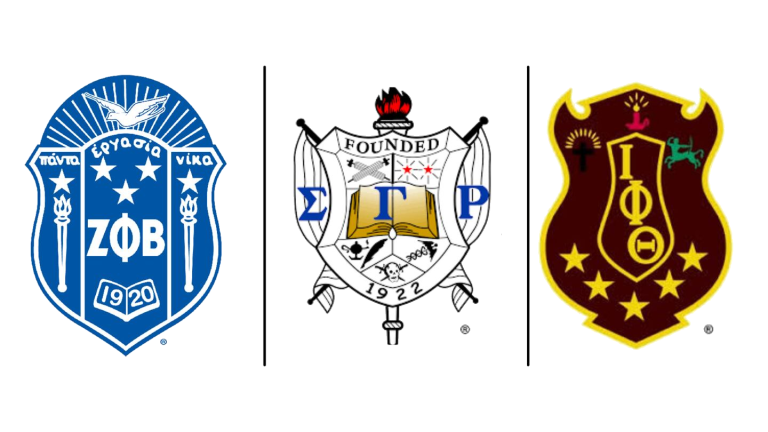
The National Pan-Hellenic Council (NPHC), widely known as the “Divine Nine,” was founded on May 10, 1930, at Howard University in Washington, D.C. The Council was created during a time when African American students faced racial segregation, limited campus resources, and exclusion from many student organizations. In response, Black fraternities and sororities rose to become powerful sources of academic support, leadership development, cultural pride, and community service.
The NPHC was established to create unity among the Black Greek-letter organizations, provide a collective voice, and coordinate the efforts of these fraternities and sororities across the nation. Its mission centered on promoting cooperation, addressing campus and community issues, and uplifting African American students and families.
Throughout the decades, NPHC organizations have played pivotal roles in the Civil Rights Movement, voter registration drives, educational advancement, and social justice advocacy. Members have included influential leaders in education, business, politics, entertainment, military service, science, and civil rights.
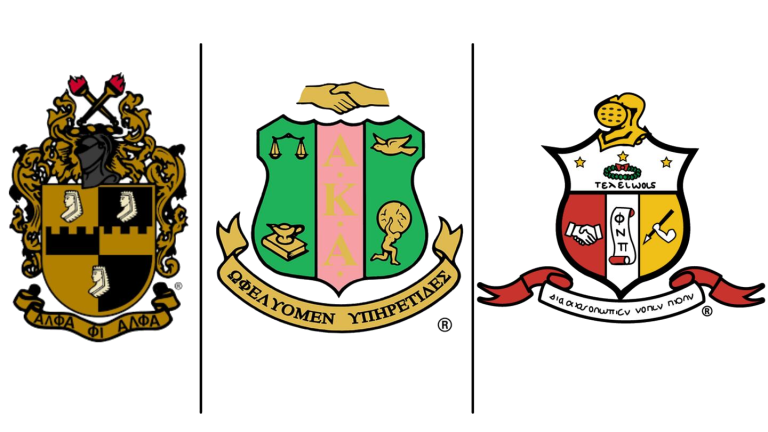
Today, the NPHC represents nine historically Black fraternities and sororities, each with a rich legacy of service, scholarship, and lifelong brotherhood/sisterhood:
-
Alpha Phi Alpha Fraternity, Inc. (1906)
-
Alpha Kappa Alpha Sorority, Inc. (1908)
-
Kappa Alpha Psi Fraternity, Inc. (1911)
-
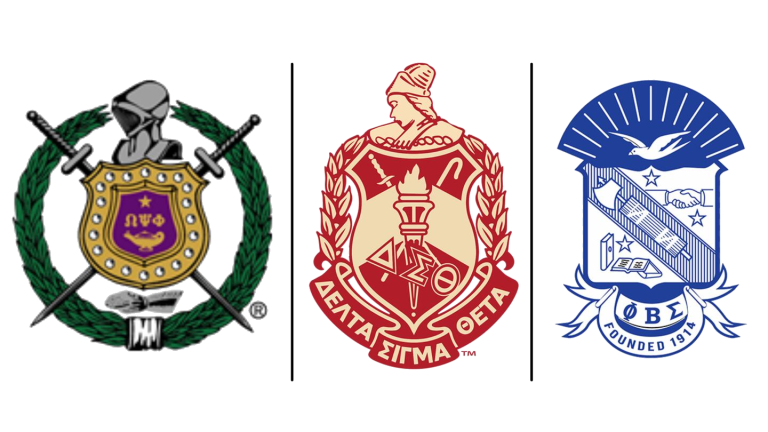
Omega Psi Phi Fraternity, Inc. (1911)
-
Delta Sigma Theta Sorority, Inc. (1913)
-
Phi Beta Sigma Fraternity, Inc. (1914)
-
Zeta Phi Beta Sorority, Inc. (1920)
-
Sigma Gamma Rho Sorority, Inc. (1922)
-
Iota Phi Theta Fraternity, Inc. (1963)
With thousands of collegiate and alumni chapters across the United States and around the world, the NPHC continues its commitment to education, civic engagement, leadership, public service, and community empowerment. What began as a response to inequality has grown into a powerful global network dedicated to uplifting communities and shaping future generations of leaders.
The National Pan-Hellenic Council (NPHC) traces its roots to the early 20th century, a period marked by segregation, racial discrimination, and limited opportunities for African American students in higher education. Historically Black fraternities and sororities emerged as safe spaces where Black students could support one another academically, socially, and culturally while building leadership skills and engaging in service.
Over time, additional organizations joined until the Council became home to what is now known as the Divine Nine (D9).
The Rise of Black Greek Organizations
Each of the nine organizations was founded between 1906 and 1963, during eras when African American students were often barred from predominantly white fraternities and sororities. These organizations were built on principles of:
Scholarship
Service
Leadership
Cultural uplift
Community advocacy
From their inception, these groups were more than social organizations—they were movements for Black empowerment.
Civil Rights Era Influence
During the Civil Rights Movement, Divine Nine organizations played a significant role in shaping national activism and advancing equality. Members were:
Voting rights organizers
March participants
Sit-in leaders
Community educators
Elected officials
Influencers in policy and justice reform
Leaders such as Dr. Martin Luther King Jr. (Alpha Phi Alpha), Rosa Parks (Alpha Kappa Alpha collaborator), and many others helped shape America through the support networks cultivated in Black Greek life.
Growth in Higher Education & Community Life
As universities began to integrate and African American enrollment increased, NPHC chapters expanded across college campuses nationwide. Alumni chapters grew just as rapidly, allowing graduates to continue serving their communities long after college.
Today, the NPHC and its member organizations maintain:
Thousands of collegiate chapters
Hundreds of alumni chapters
Presence in multiple countries, including Europe, Africa, Asia, and the Caribbean
Partnerships with national nonprofits and community organizations
Global Expansion
Beyond the United States, NPHC-affiliated chapters operate in:
Military bases worldwide
International universities
American expatriate communities
Global service hubs
This expansion reflects the continuing influence and reach of educated Black professionals and leaders around the world.
Modern-Day NPHC
Today, the National Pan-Hellenic Council remains a powerful force for:
Educational advancement
Youth mentorship
Civic engagement
Voter education
Public health support
Economic empowerment
Social justice advocacy
Through signature programs, scholarships, service initiatives, and national collaborations, NPHC organizations continue to uphold their founding mission—to foster community service, strengthen leadership, and uplift communities worldwide.
The Legacy of the Divine Nine
The Divine Nine is recognized as the historic backbone of Black excellence in higher education. Its members include:
Judges
Educators
Politicians
Entertainers
Civil rights leaders
Business executives
Military officers
Nonprofit leaders
Their commitment to scholarship, service, and community empowerment has shaped Black history for over a century and continues to inspire future generations.